
The Growing Influence of Wikipedia in Digital Research
Have you ever just typed something into Wikipedia to check a fact? Maybe for school, maybe just out of curiosity. And then you stayed there longer than you planned, reading random stuff? Yes, we all have been there. Wikipedia receives more than 1.5 billion visitors per month. This is something big.
Wikipedia is not just some random online book anymore. It is like a kind of library that easily fits on your screen. People use it for homework, work, and even big decisions. The best part is that Wikipedia changes fast. Something happens in the world, and soon enough, you can read about it there. Much faster than waiting for a book or a newspaper.
In this blog, we’ll look at how Wikipedia is changing research. We will also have a look at behind the scenes to understand how experts help keep it reliable.
Wikipedia Is More Than an Encyclopedia
Most people think that it is the only place to look for random facts. This is now a tool people use for real research. Students, teachers, and even businesses check it all the time. Why? Because it’s fast, easy, and has lots of info in one place.
You may wonder, “Is it really reliable?” Well, this depends. Some pages are written by volunteers. At the same time, some are updated and checked by professionals who understand what they are doing. These experts ensure the facts are valid and the pages look neat. That’s where Wiki Consultants Canada comes in. They help make Wikipedia pages accurate and professional.
Here’s a simple look at how Wikipedia compares to other research sources:
| Feature | Wikipedia | Books & Magazines | Google Search Results |
| Easy to Access | yes | no | yes |
| Updated Fast | yes | no | yes |
| Verified Info | yes | yes | no |
| Free to Use | yes | no | yes |
As you can see, Wikipedia is not perfect, but with the help of experts, it is becoming a reliable place to learn.
How Wikipedia Shapes Modern Digital Research
People don’t just use it for fun anymore. They use it for real research. Students check it before homework. Teachers look at it to plan lessons. Some businesses even read it to understand trends or companies.
Why? It’s fast. You can get info in minutes. No need to wait for books or magazines. And the cool part, Wikipedia shows where it got the info. So you can check the facts yourself.
Wikipedia is huge. There are over 6 million articles in English. Millions more are in other languages. That’s like having a giant library in your pocket.
Here’s who uses it:
- Most students say they check Wikipedia for school work.
- Many teachers read it to prepare lessons.
- Some professionals use it to understand business stuff.
The more people use it, the more it shapes how we do research. It’s not just a backup source anymore because for lots of people, it’s the first stop.
But remember, not all pages are perfect. Some have mistaken, and that’s why experts and editing services are helpful; they make pages more accurate.
Behind the Scenes of Wikipedia Editing and Its Professionals
Have you ever wondered who keeps Wikipedia pages correct? Not everything is written by random people. Some pages are looked after by professionals. These experts check facts, fix mistakes, and make sure the page looks good.
This is where a Wikipedia page editing company comes in. They help people and businesses ensure their pages are accurate and trustworthy. Without them, some pages could have wrong information or be messy.
Editing Wikipedia is not easy. You have to follow rules, add sources, and make the page neutral. That’s why professionals are important because they know the right way of doing things.
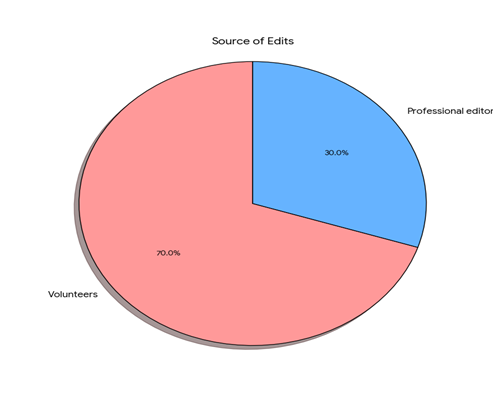
It is not just about reading. It’s about making knowledge reliable, and professionals make that happen behind the scenes.
Case Studies for Wikipedia’s Impact across Industries
This is not just for school anymore. Many people and industries use it every day. It helps businesses, teachers, journalists, and doctors.
For example:
- Schools
Teachers use it to quickly plan lessons.
- Businesses
Companies check information about competitors or markets.
- Healthcare
Doctors and researchers look up medical facts.
- Media
Journalists check info before writing news.
| Industry | How Wikipedia Helps | Example Use |
| Education | Plan lessons, research for students | Teachers use pages to prep classes |
| Business | Learn about markets and competitors | Companies check company profiles |
| Healthcare | Quick reference for research | Doctors check medical topics |
| Media | Check facts before publishing | Journalists verify news stories |
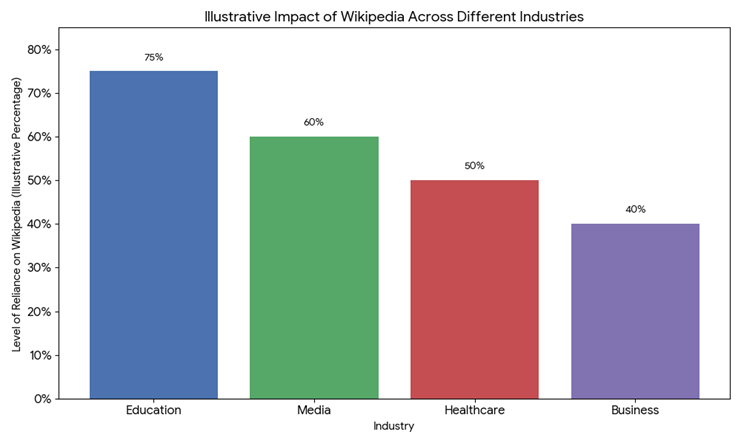
Wikipedia is more than a website. It helps people make decisions, saves time, and enables faster learning. Even small edits can help millions of people. That’s why it is becoming more and more important in many fields.
Challenges and Misconceptions
Wikipedia is very useful, but it has some challenges. Some people misunderstand it, too. Here’s a quick breakdown:
Mistakes happen
Anyone can edit a page because some of the info might be wrong or outdated.
Not only for students
This is not only for students. Many think that it is only for homework because teachers, businesses, and journalists use them too.
Professional help is misunderstood
Some people have this fear that hiring experts means cheating. It’s not because experts just make pages correct and clear.
How Experts Help:
| Problem | How Professionals Fix It | Result |
| Wrong or outdated info | Check facts and update sources | Page becomes trustworthy |
| Confusing or messy layout | Organize content clearly | Easy to read and understand |
| Misunderstood purpose | Follow Wikipedia rules and guidelines | Accurate and fair information |
With experts’ help, Wikipedia becomes more trustworthy. It is not perfect, but it is useful for research and learning.
Why Wikipedia Will Remain a Digital Research Staple
Wikipedia is growing every day. People are using it more frequently. It is free, fast, and easy. That’s why it will stay important for research.
Here’s why Wikipedia is here to stay:
- Fast updates
Pages change quickly when new info comes out.
- Easy access
Anyone with the internet can read or learn.
- Global reach
Millions of people from around the world use it.
- Reliable with help
Experts and editing companies keep pages accurate.
Simply look at advantages:
| Feature | Why it Matters |
| Speed | Quick info, no waiting for books |
| Accessibility | Free and easy for everyone |
| Accuracy | Experts check and fix mistakes |
| Size | Millions of articles on many topics |
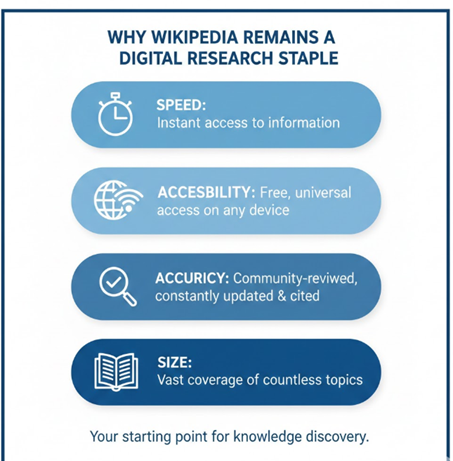
For these reasons, Wikipedia will remain a key tool for students, teachers, businesses, and anyone who wants to learn. It is not perfect, but it is helpful, trustworthy, and growing every day.
It’s a Wrap
Wikipedia isn’t just a website anymore, but it’s a tool. People use it all the time, like students, teachers, businesses, and even journalists. It’s fast, free, and huge. Every day, more info is added. Sure, mistakes happen, and some pages are messy. But experts and editing companies help fix them. That makes it way more reliable.
Even small edits matter. A tiny change can help millions of readers. Wikipedia isn’t perfect, and no tool is. But it’s super useful. It helps people learn, make decisions, and find information quickly.

I am the professional academic voice of WikiConsultant.ca, where I share practical insights about Wikipedia page creation, editing, monitoring, ORM and online credibility. My articles explain how Wikipedia guidelines work, how notability is evaluated, and how individuals and businesses can build a trustworthy presence on the platform. I am interested in helping readers approach their Wikipedia profiles with accuracy, transparency, and confidence.